Building Construction:
A Complete Guide to the Process, Stages, and Best Practices
Building construction is one of the most essential industries shaping our cities, communities, and future. Whether it’s a residential home, commercial complex, or public infrastructure, every construction project requires planning, precision, and collaboration to deliver safe and long-lasting results. Understanding how the construction process works helps clients, engineers, architects, and contractors stay aligned at every stage.
In this blog, we’ll explore the key stages of building construction, the importance of proper planning, and modern trends transforming the industry.
1. Understanding Building Construction
Building construction involves the planning, designing, and assembling of structures. It requires the integration of multiple disciplines—architecture, civil engineering, structural engineering, electrical systems, plumbing, and project management.
A successful construction project focuses on:
- Quality and safety
- Budget control
- Timely delivery
- Sustainable and efficient design
- Durability and long-term performance
2. Key Stages of the Building Construction Process
Stage 1: Planning and Design
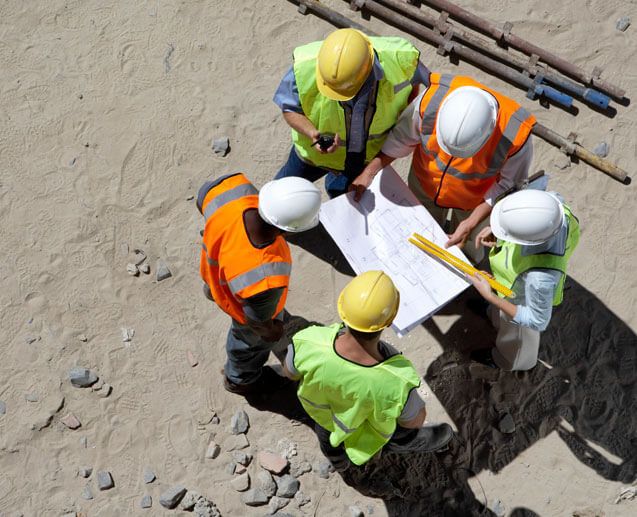
Every construction project begins with a vision. Architects and engineers collaborate to prepare:
- Concept design
- Architectural drawings
- Structural plans
- Material selection
- Cost estimation
- Approvals from government authorities
Good design ensures the project is safe, functional, and aesthetically appealing.
Stage 2: Site Preparation
Before building begins, the site must be ready. This includes:
- Land clearing
- Excavation
- Leveling and grading
- Soil testing
- Establishing temporary facilities (site office, storage, utilities)
Proper site preparation ensures a strong foundation.
Stage 3: Foundation Construction
The foundation supports the entire structure. Depending on the soil and design, foundations may be:
- Shallow (raft/slab, strip footing)
- Deep (piles, caissons)
A strong foundation is essential for structural safety and durability.
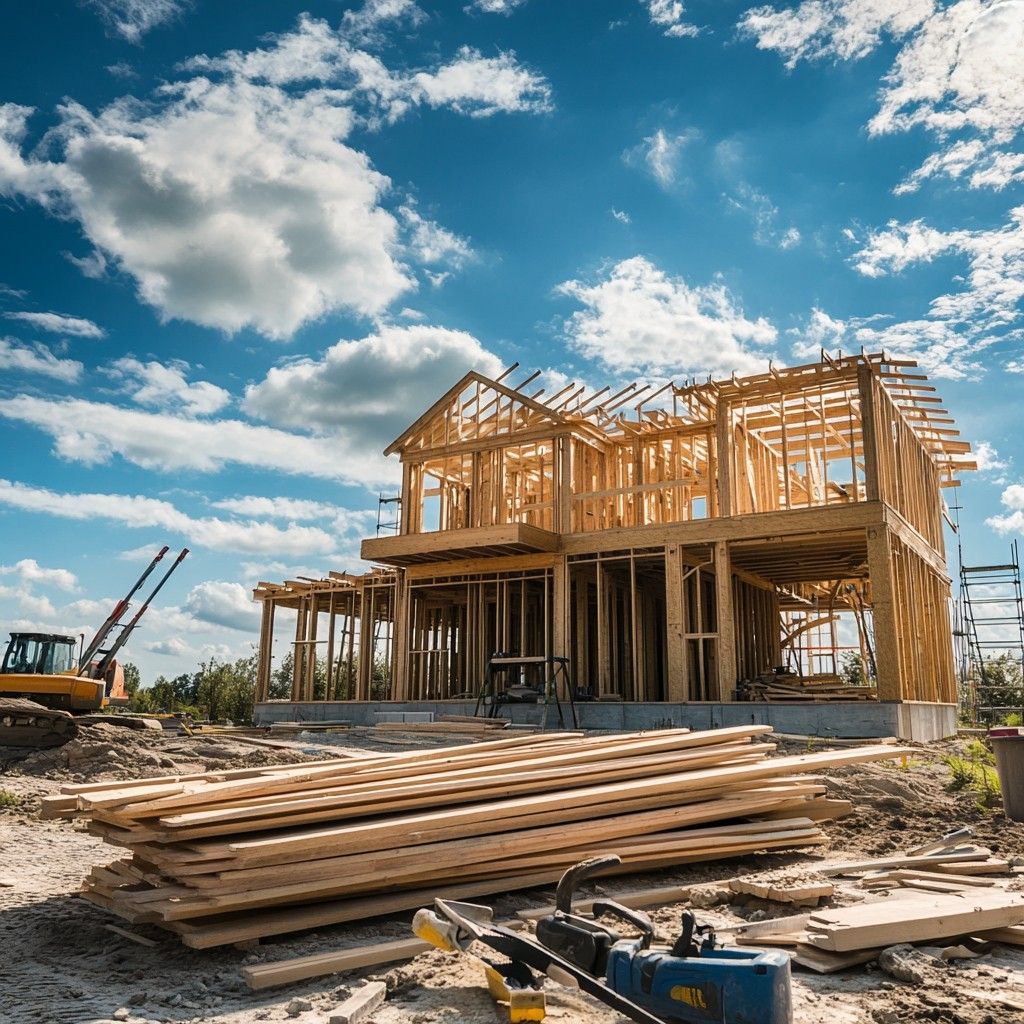
Stage 4: Structural Work
Once the foundation is complete, construction moves upward:
- Columns
- Beams
- Slabs
- Walls
- Roof structures
This stage forms the skeleton of the building and determines its strength and stability.
Stage 5: Mechanical, Electrical & Plumbing (MEP)
The essential services are installed, including:
- Electrical wiring and panels
- Plumbing and drainage systems
- HVAC (heating, ventilation, air conditioning)
- Firefighting and safety systems
MEP integration must be coordinated carefully to avoid redesign or rework later.
Stage 6: External & Internal Finishes
This stage transforms the structure into a usable space:
- Plastering and painting
- Windows and doors
- Flooring and tiling
- False ceilings
- Woodwork and cabinetry
- Exterior façade and cladding
Finishing work determines the building’s elegance and comfort.
Stage 7: Final Inspection & Handover
After all work is completed, the project goes through:
- Quality checks
- Safety inspections
- Snag removal
- Cleaning and preparation
Once approved, the building is handed over to the client.
3. Importance of Quality Control in Construction
Quality control ensures the structure meets:
- Safety standards
- Design specifications
- Durability expectations
Regular inspections, proper material selection, and skilled labor play a major role in delivering a long-lasting project.
4. Trends Transforming Modern Building Construction
Today’s construction industry is evolving with innovative technologies such as:
- Building Information Modeling (BIM)
- Smart buildings and automation
- Green building materials
- Modular and prefabricated construction
- Energy-efficient design
- Sustainable construction practices
These advancements help reduce costs, improve accuracy, and promote eco-friendly development.
5. Conclusion
Building construction is a collaborative journey that combines creativity, engineering, and technology. From the initial design to the final handover, every stage requires detailed planning and expertise. By embracing modern techniques, ensuring quality control, and focusing on sustainable practices, construction companies can deliver structures that are safe, durable, and timeless.