The Benefits of Architectural Design
Creating Spaces That Inspire and Perform
Architectural design is more than drawing lines on paper—it is the art and science of shaping the spaces where we live, work, and connect. A well-designed building does more than look good; it improves comfort, enhances functionality, boosts efficiency, and adds long-term value.
In today’s world, where space, sustainability, and user experience matter more than ever, investing in professional architectural design is one of the smartest decisions for any construction project. Whether it’s a home, office, commercial building, or public infrastructure, architectural design plays a critical role in transforming ideas into meaningful, practical, and visually appealing spaces.
1. Better Space Utilization
One of the biggest advantages of architectural design is optimizing available space. Architects know how to:
- Maximize usable areas
- Create efficient layouts
- Improve flow and movement
- Ensure every square foot serves a purpose
Good design ensures your building is spacious, functional, and free from wasted areas.
2. Improved Functionality & Practicality
Great architecture prioritizes how people use a space. Architects analyze:
- User habits
- Activities
- Safety requirements
- Environmental conditions
This results in buildings that support daily life—whether it’s a family home that feels comfortable or an office that boosts productivity.
3. Enhanced Aesthetics & Visual Appeal
Architectural design brings beauty to the built environment. Through thoughtful use of:
- Form and proportion
- Material selection
- Color, texture, and lighting
- Modern or traditional design styles
Architects create stunning spaces that leave a lasting impression. This increases the building’s value and enhances its identity.
4. Cost Savings in the Long Run
Many people believe hiring an architect is expensive, but the opposite is true. Good architectural design helps reduce costs by:
- Preventing design errors
- Planning efficient construction methods
- Choosing cost-effective materials
- Reducing unnecessary changes
- Optimizing energy performance
A well-designed building saves money during construction and throughout its life.
5. Energy Efficiency & Sustainability
Modern architectural design focuses heavily on eco-friendly and energy-efficient solutions, such as:
- Natural light and ventilation
- Optimal building orientation
- Insulation strategies
- Sustainable materials
- Green building technologies
This results in lower electricity bills, reduced environmental impact, and healthier living or working conditions.
6. Increased Property Value
A professionally designed building stands out in the market. High-quality architecture boosts:
- Market demand
- Resale value
- Rental income
- Long-term durability
Buyers and investors are always willing to pay more for a property that is well-designed and thoughtfully planned.
7. Safety, Compliance & Durability
Architects ensure every design follows:
- Building codes
- Safety regulations
- Structural standards
- Fire protection requirements
This makes the building safer, stronger, and more reliable, reducing the risk of future problems.
8. Unique Identity & Brand Expression
For businesses, architectural design becomes a part of their identity. A well-designed office, showroom, or commercial space can:
- Reflect brand values
- Impress clients
- Improve customer experience
- Strengthen the company image
Architecture becomes a powerful branding tool.
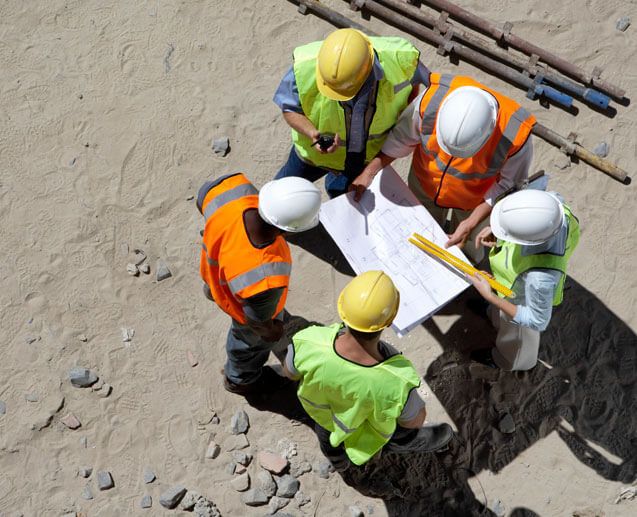
9. Better Coordination in Construction
Architects work closely with:
- Engineers
- Contractors
- Interior designers
- MEP specialists
- Suppliers
This coordination ensures smooth execution, fewer mistakes, and timely delivery.
Conclusion
Architectural design is a vital part of every successful construction project. It enhances functionality, strengthens aesthetics, saves costs, and ensures long-term sustainability. Whether you’re building a home or a large commercial project, working with skilled architects guarantees that your vision becomes a well-planned, beautiful, and durable reality.